Reanimation package of reforms > News > Events > Reforms during wartime: achievements of Ukraine in 2022 and plans for 2023
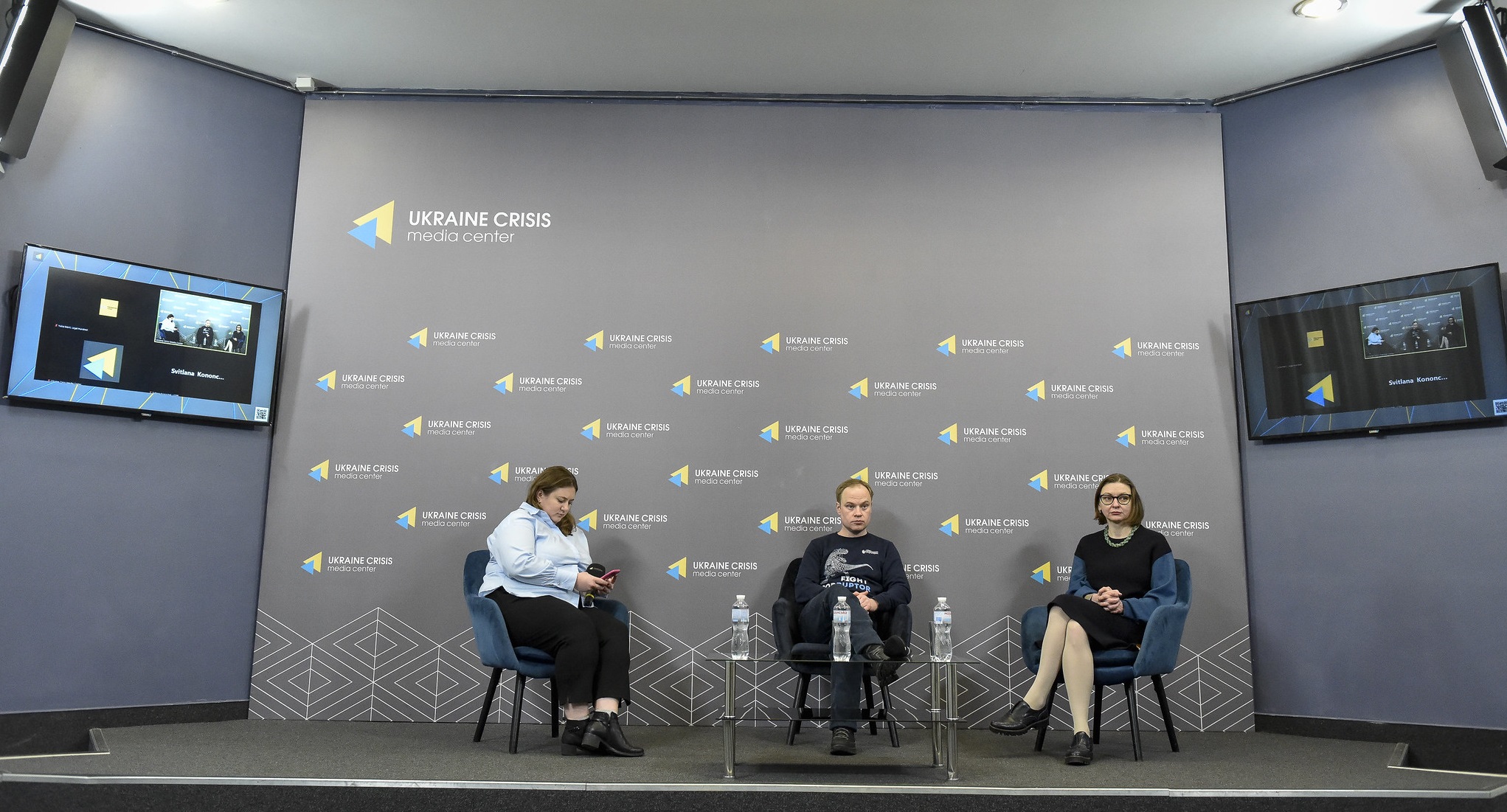
In 2022, Ukraine continued to implement reforms, despite the large-scale invasion of Russia. A significant incentive was the provision of recommendations by the European Commission, which Ukraine should implement by the end of this year to continue the dialogue on joining the EU. Civil society experts and politicians tackled that topic during the discussion “Reforms during the war. A Year in Recap and Further Expectations”, organized by the RPR Coalition on December 20.
Without appropriate reforms in the political and legal sphere, Ukraine will not gain membership in the European Union and will not become an effective and democratic country. Only a democratic Ukraine will be able to oppose the authoritarian aggressor country – Russia, successfully. Yuliia Kyrychenko, co-chairwoman of the RPR Coalition Board and co-chairwoman of the Board of the Centre of Policy and Legal Reforms, drew attention to this.
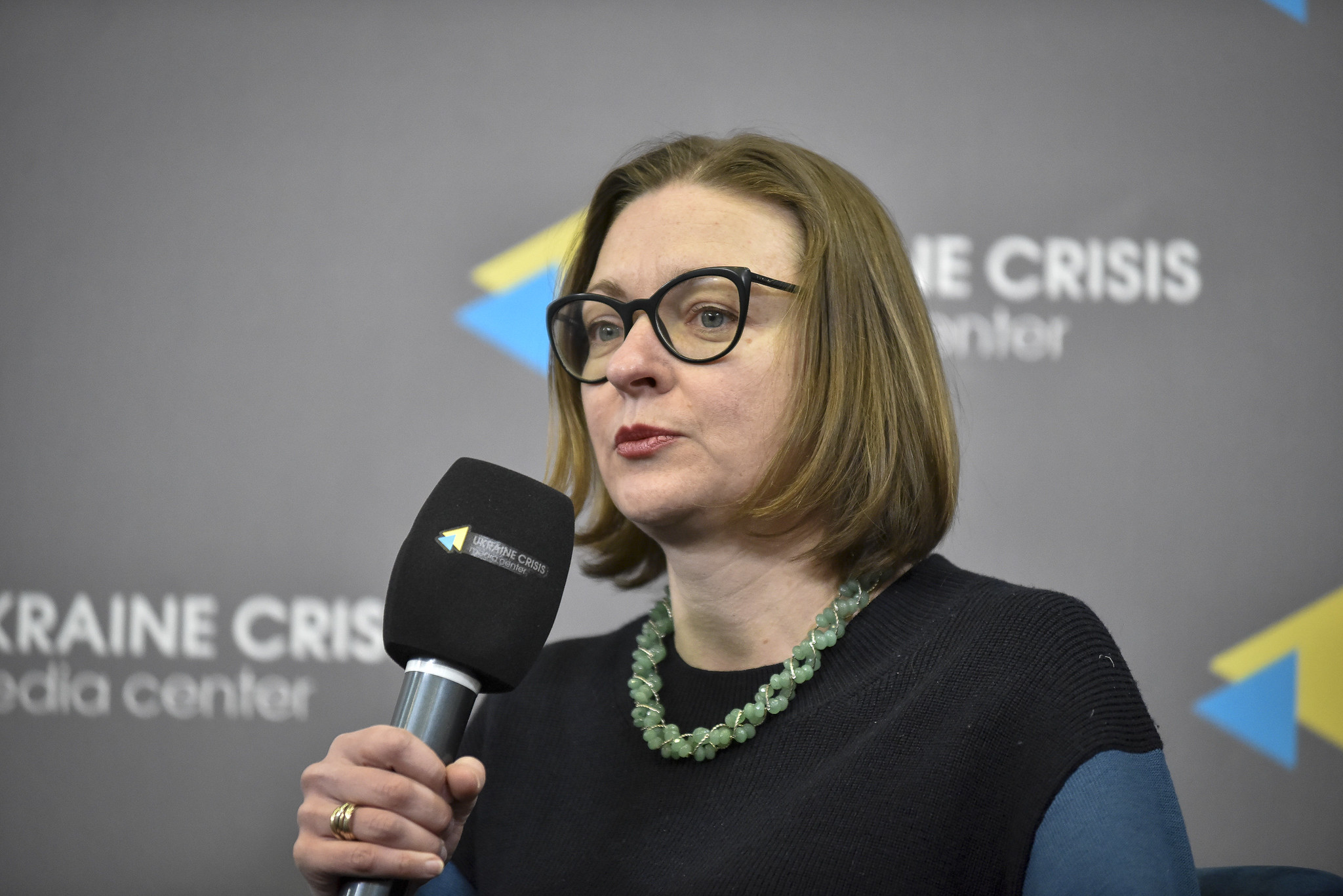
She reminded that the first recommendation of the European Commission was the reform of the selection of judges to the Constitutional Court of Ukraine:
“The main thing here is not even professionalism itself, which is important, but the ability to resist pressure from the authorities, which was observed during the reign of all political forces.”
Therefore, public experts recommended reducing the influence of powerful institutions, such as the President, the Parliament, and the Congress of Judges, on selecting judges for the CCU. In particular, introduce a full-fledged transparent competition.
Recently, the Verkhovna Rada adopted draft law No. 7662, which provides for initial competitive selection with the introduction of an Advisory Group of Experts. But a week later, the Venice Commission published an updated conclusion on this draft law with two main recommendations:
Moreover, the second recommendation is provided for a transitional period of six years: “This increases the probability that professionals who meet moral criteria will be appointed to the position of judges of the CCU.”
The main event of 2022 in the media sphere was adopting the law “On Media” in the second reading. The majority of public organizations welcomed the adoption of this document. And the consideration of the law was greatly accelerated by the fact that its adoption was one of the recommendations of the European Commission. Nataliya Ligachova, head of Detector Media and a member of the RPR Coalition Board, spoke about this.

The main goal of the law “On Media” is to bring Ukrainian legislation in accordance with the EU Directive on audiovisual media services. Another positive aspect was strengthening the media regulator’s powers, the National Council for Television and Radio Broadcasting.
“Earlier, it was difficult for the National Council to appoint inspections even on channels that tend to Russia. Let me remind you that Medvedchuk’s channels were closed based on the decision of the National Security Council, not the National Council for Television and Radio Broadcasting,” Ligachova emphasizes.
At the same time, the National Council will not have the authority to block registered media. However, it will have permission to block unregistered media – for a period of two weeks. But bloggers in social networks are removed from the scope of the law.
Nataliya Ligachova called the creation of a single telethon another essential phenomenon in 2022. At the beginning of Russia’s large-scale aggression, it was an unambiguously positive factor when oligarchic channels and state and public broadcasters united. However, the media community is now criticizing the telethon due to the narrowing of pluralism. For example, the removal from the digital broadcasting of TV channels associated with Petro Poroshenko.
Another negative trend is the increased number of state broadcasters and, as a result, increased government officials’ media presence. The TV channel “Rada,” officially a parliamentary broadcaster but now has de-facto turned into a state broadcaster, was cited by Ligacheva as an example.
Rinat Akhmetov reformatted his former TV channels into the “We — Ukraine” channel, and it was also added to the telethon.
“It is clear that they would not have been able to do this without cooperation with the authorities,” the expert believes.
In 2022, several normative legal acts were adopted, which improved the social protection of military and veterans. Yuliya Moriy, director of the Legal Hundred NGO, talked about it.
The expert gave the following examples:
However, some of the adopted decisions significantly worsened the situation for servicemen:
Yuliya Moriy also shared statistics on the number of complaints received by “Legal Hundred” since February 24, 2022:
The Parliament’s work in 2022 can be divided into two global stages, believe Yaroslav Yurchyshyn, Member of Parliament, First Deputy Chairman of the Committee on Anti-Corruption Policy.
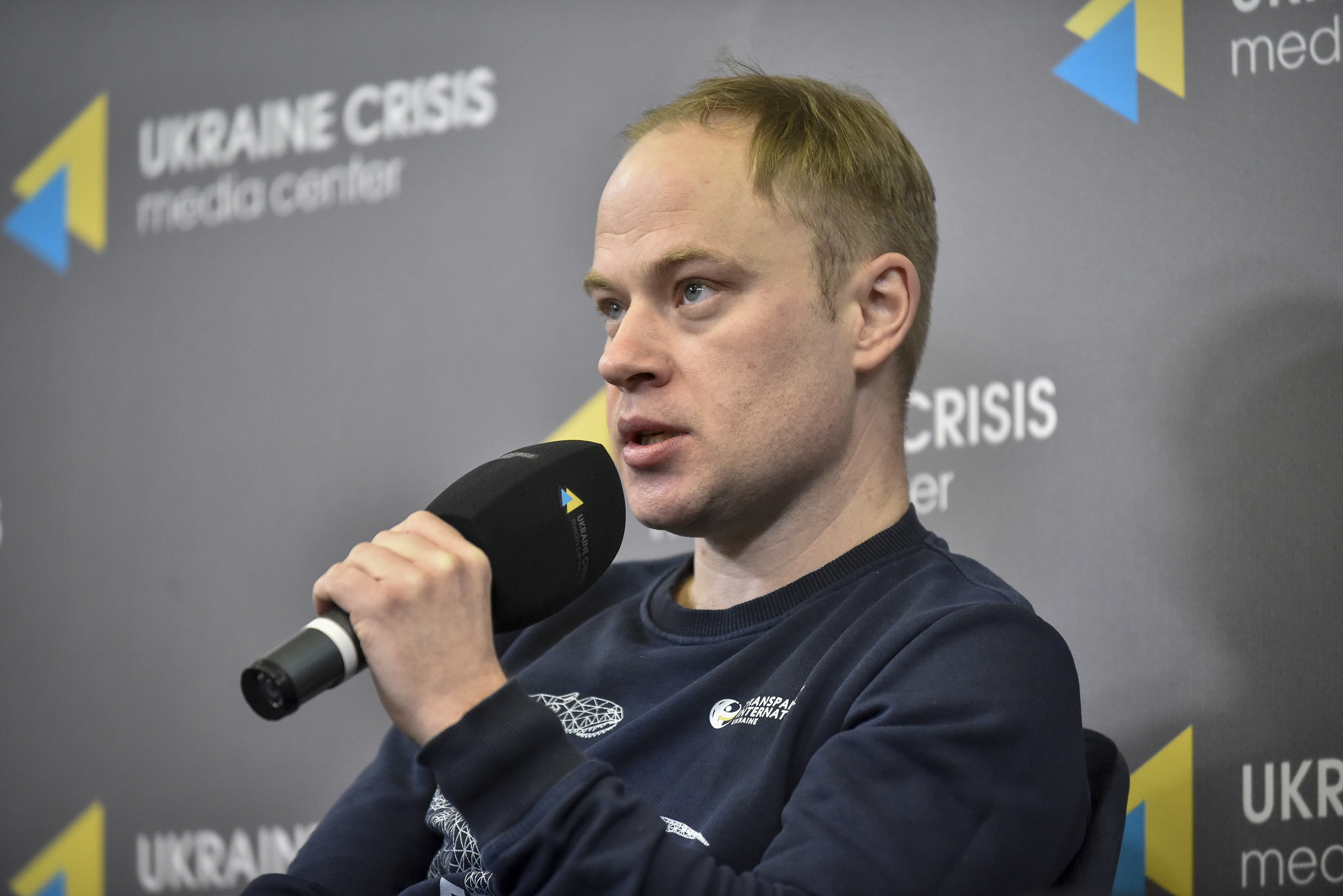
In the first stage, when Russian troops were near Kyiv, there was an extraordinary consolidation of political forces and the adoption of several necessary bills.
In the second stage — after the expulsion of Russian troops from the north of Ukraine — politicization returned, and some draft laws were formally adopted for European integration. However, there will be significant problems in their implementation.
“During the war, reforms cannot be half-hearted. But this requires a consolidated position of the civil sector and international experts,” says Yurchyshyn.
MP also shared the Parliament’s plans for 2023: to amend the law on the selection of CCU judges and finalize the media law regarding activities during the election period.
“It is necessary to return the e-declaration. So far, the declaration has been postponed even for 2021,” says Yurchyshyn.


